

Jim Moss
Trust, Community, and the Foundations of Workplace Culture
20+ years across leadership, sport, and well-being science, translated in plain language your teams can use.
I’ve spent most of my life inside teams.
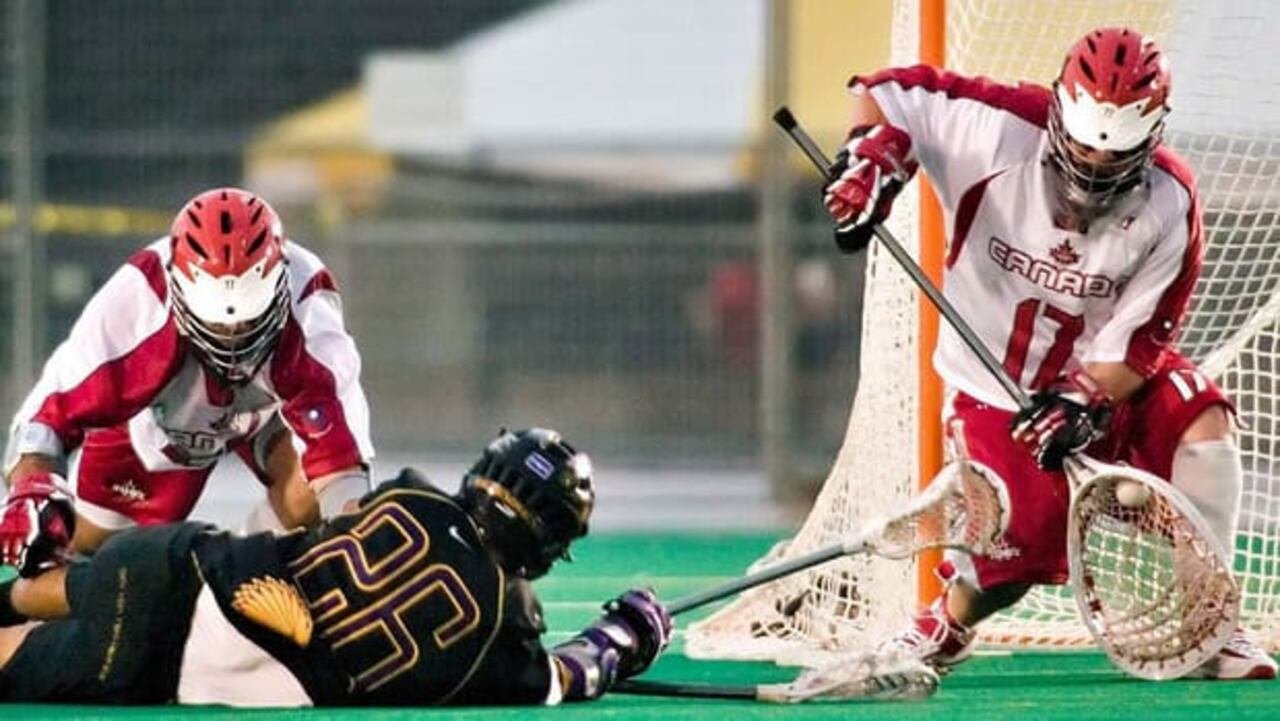
I played professional hockey and lacrosse for over a decade, representing Team Canada in three sports and captaining teams at nearly every level I played. I won world championships. I lost more of them. I scored the goal that won the Mann Cup and was part of the squad that won Canada's first World Field Lacrosse Championship in 28 years.
Through all of that, I was never the most talented person on the floor. What I was good at was reading the system. Seeing how trust moved between people, where structure was holding, where it was about to collapse. I could feel when a team was working and when it wasn't, often before anyone else noticed. On defense, the game moves too fast for reaction. You learn to see what's forming before it arrives.
In 2009, a post-viral autoimmune disease ended my playing career overnight. I went from elite athlete to relearning how to walk.
When Life Takes A Turn
Lying in a hospital bed, I started noticing something. The mood of my healthcare team directly affected my progress. When staff were stressed, disconnected, or running on fumes, mistakes increased and my recovery slowed. When they were cohesive and caring, everything moved faster.
I couldn't control my diagnosis. But I could influence the system around me. I started using gratitude, deliberately and strategically, to manage my own mindset and shift the energy of the people responsible for my care. The doctors told me recovery would take six to twelve months. I was walking well in six weeks.
That hospital room was where I first saw workplace culture as a living system. Not as a concept from a textbook, but as something I could observe, understand, and influence in real time.
Building the Work
I went back to university to study social psychology and neuropsychology. Not as an academic career, but because I needed to understand the science behind what I'd experienced. Why do some teams thrive while others with equal talent fracture? What makes the difference between a workplace that energizes people and one that slowly depletes them?
My wife Jennifer Moss and I built Plasticity Labs, a technology company that measured culture, engagement, and well-being across hundreds of organizations. We were named Innovators of the Year by Canadian Business Magazine. I was inducted into the Junior Achievement Hall of Fame.
The data taught us something important. We'd set out to help people be happier at work. But when we followed the evidence, happiness was best predicted by well-being, and well-being was best predicted by workplace culture. And at the foundation of culture, underneath goals, feedback, recognition, and communication, sat two things: trust and community.
Everything I do now sits on that foundation.
What I Do Today
I work with leaders and teams inside not-for-profits, government agencies, school systems, and community organizations across Canada. Through workshops, advisory partnerships, and speaking, I help people build the trust and relational capacity that everything else depends on.
My approach is practical, not theoretical. I use common-sense language, relatable examples, and frameworks that leaders can actually apply. Things like the distinction between transactional trust (ability + track record) and relational trust (+ care), or the Caring / Careful / Careless model that helps teams see how everyday behaviours build or erode connection over time.
I prefer working close to the ground. Workshops delivered in series, where I get to know an organization's real challenges and build something that lasts. Relationships over transactions. Depth over volume. I believe that's where the real change happens. Not in a single keynote, but in the ongoing work of helping people see their system clearly and lead within it with care.
The Sports Connection
I never planned to connect my athletic career to this work. For a long time I kept them separate, partly because sports were taken from me before I was ready, and partly because I wanted the ideas to stand on their own.
But recently I've come to see what was obvious all along. A team is a small, high-performance community. Trust is what holds it together. The captain's job is to read the system, strengthen the bonds, and help people perform under uncertainty. Everything I learned on the floor, about structure, about reading signals, about the difference between a group of talented individuals and a team that actually functions, is exactly what I now help organizations understand about themselves.
I've returned to coaching, working with U19 girls field lacrosse. It's the most natural application of everything I teach. And it confirmed what I probably always knew: the sports and the trust work were never separate. I just needed time to see that.


The Details
Athletic Career: Three-sport Team Canada athlete (ice hockey, field lacrosse, indoor lacrosse). OHL captain with the London Knights. NLL professional with the Albany Attack, San Jose Stealth, and Colorado Mammoth. Inside Lacrosse Magazine Defender of the Year. Two-time NLL All-Star and All-Pro. Mann Cup champion. World Indoor Lacrosse Championship gold medalist. 2006 World Field Lacrosse Championship gold medalist, Canada's first in 28 years. Inducted into the Canadian Lacrosse Hall of Fame, the Brampton Sports Hall of Fame, and the California Lacrosse Hall of Fame. Assistant coach, Stanford University NCAA Division 1 Women's Lacrosse.
Research & Business: Co-founded Plasticity Labs (workplace well-being technology). Co-founded YMCA WorkWell. Named Innovator of the Year by Canadian Business Magazine. Junior Achievement Hall of Fame inductee (entrepreneurship). Academic background in social psychology and neuropsychology. Co-founded the Work Better Institute.
Community: Co-Chair, Children and Youth Planning Table (Region of Waterloo, 2024–2028). Member, City of Waterloo Community Oversight Committee. Member, City of Kitchener Official Plan Advisory Committee. Currently coaching U19 girls field lacrosse.
Writing: Regular contributor on trust, community, including articles and long-form essays at Shifting Tides on SubStack. while I’m writing my first book on community and trust and the role of care in the communities we live and work in.
A Note About My Wife Jennifer
My wife, Jennifer Moss, is a globally recognized expert on burnout and workplace culture. She's the author of The Burnout Epidemic, Why Are We Here?, and Unlocking Happiness at Work. I manage the operations of her business and have been her strategic partner for over twelve years.
Our work is complementary. Jen focuses on burnout, well-being, and sustainable performance, which is what happens when the system fails people. I focus on trust and community, the foundational conditions that determine whether the system holds or breaks in the first place. Adjacent floors of the same building.
You can learn more about Jen's work at jennifer-moss.com.
Customer Testimonials

5 Stars - I've had the pleasure of working with Jim for about 20 years, both as a community volunteer and as a trusted consultant. His sessions with my teams are legendary and are spoken about for years after. More importantly the impact of his work reverberates throughout our teams and everyone benefits. I would highly recommend him

Jim was the highest rated speaker at our event. His content offered incredible value as did his presentation style and relatability to the crowd. Where Jim exceeded my expectations is by how quickly he was able to learn about and incorporate our desired outcomes and focus into what he was presenting. This was not a "cookie cutter" presentation - he provided a highly relevant and tailored approach to the messaging he was sharing.

It Is an absolute pleasure to work with Jim! He brings his authentic self and provided insightful food-for-thought to our leaders regarding the role that community and trust play in continuing to foster a healthy culture in our hospital.