

Snowstorms, Safety, and the Small Decisions That Build Real Trust
Winter’s first storm rolled in today, and with it came a simple text from a client: the roads were getting bad, the forecast looked worse, and they needed to postpone our in-person workshop.
They apologized for the inconvenience.
My response back was automatic:
“No sweat. Safety always comes first. That’s both a caring and a careful choice—and it avoids a careless outcome. That’s the framework in action.”
It was a small moment, but a powerful example of something bigger: the difference between relational trust and transactional trust.
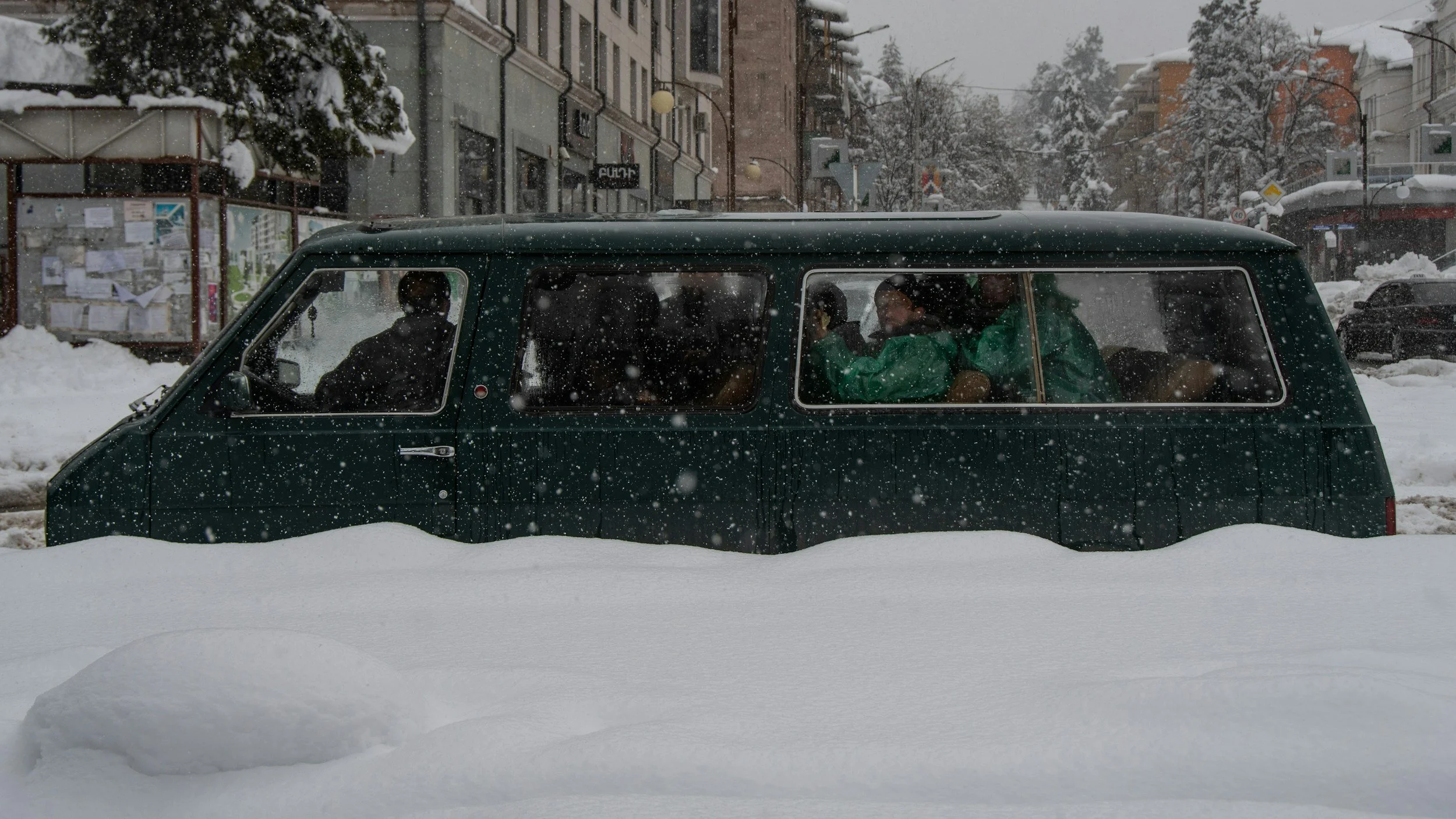
Don’t Take Snow Day Decisions Lightly
Nothing reveals leadership values faster than a snow day decision.
The Leadership Move Behind the Decision
Postponing the session wasn’t just about logistics.
It was caring. It considered the safety and experience of others.
And it was careful — avoiding unnecessary risk.
Those types of decisions fall squarely into the trust framework I teach where we promote relational trust, over transactional trust..
Transactional trust is about following the plan, meeting obligations, sticking to the schedule.
Relational trust is about valuing people — their well-being, their perspective, and their reality — enough to adjust those plans when needed.
Compassionate leadership is the willingness to change how you would normally proceed because you genuinely empathize with what your people are experiencing.
That’s what my client did.
They put human experience over the agenda.
And people remember that.
The Opposite Side: When Carelessness Becomes a Pattern
There’s another side to this model, one that’s uncomfortable but important.
A careless decision isn’t usually malicious. It’s simply absent of enough care.
But here’s the danger: When careless decisions become a pattern, people start to form a painful belief:
“They can’t possibly care about me…”
And once that belief takes root, relational trust evaporates.
We saw this during the pandemic.
A huge part of the “Quiet Quitting” trend didn’t come from laziness or entitlement, it came from people feeling that leadership decisions lacked care, compassion, or basic empathy for the reality employees were living through.
Some employees walked away.
But many stayed and simply withdrew their citizenship behaviours — the discretionary effort, the helpfulness, the “above and beyond” they technically don’t have to give.
When enough people pull back that optional energy, your organization becomes slower, less efficient, and more fragile than anyone realizes.
If your team has quietly pulled back, it’s worth asking where they may have experienced a pattern of careless decisions.
Why Relational Trust Matters More Than Ever
Relational trust, built through caring and careful leadership, strengthens the bond between people and creates an environment where:
work is done better
people help each other more
leaders are easier to follow
teams feel more resilient
and, yes… people still go above and beyond for each other
And the beautiful thing? It doesn’t come from grand gestures. It comes from moments like today.
Choosing safety over schedule.
Choosing people over plans.
Choosing care over convenience.
That’s how trust is built — not in theory, but in practice. One brick after another, building the foundation of your culture.
Leadership isn’t built in big strategic moments.
It’s built—slowly and powerfully—through the caring and careful decisions you make every day.
If you’d like to bring this trust framework to your organization, my leadership workshops go deep on exactly these skills.